
Designing an Employee Benefits Strategy That Truly Supports Your Workforce
Employee benefits have moved far beyond simple perks. Today, they play a meaningful role in attracting talent, retaining employees, and shaping workplace culture. But many organizations are seeing a growing disconnect between their employee benefits strategy and what employees actually use or value.
Too often, organizations invest significant time and money into benefits packages that look impressive on paper but fall flat in practice. The result is underused programs, wasted budget, and employees who feel unseen or unsupported.
So how can employers design benefits that truly benefit their workforce?
It starts with intention, insight, and a willingness to rethink traditional approaches.
Start With What Employees Actually Want
One of the most common mistakes employers make is assuming they know what employees need.
Benefits decisions are often driven by industry trends, legacy plans, or leadership preferences instead of real employee feedback. To close this gap, organizations need to lean on real data rather than assumptions.
Effective ways to understand employee needs include:
- Employee engagement and benefits surveys
- Benefits utilization and enrollment reports
- Exit interview and stay interview feedback
Across industries, today’s workforce consistently prioritizes:
- Flexibility in how and where they work
- Mental health support and stress management resources
- Financial wellness tools, from budgeting support to retirement planning
- Work-life balance and time-off policies
As the workforce continues to evolve, it has become clear that one-size-fits-all benefits packages no longer meet employee expectations or keep organizations competitive.
Focus on Flexibility Over Volume
Offering more benefits doesn’t always translate to better benefits.
In many cases, overly complex benefits packages can overwhelm employees and actually reduce engagement. Instead, the most effective benefits strategies prioritize flexibility and choice.
Consider options such as:
- Tiered benefits plans that adjust based on life stage or needs
- Voluntary benefits employees can opt into as needed
- Customizable plans that allow employees to allocate benefits where they matter most
Flexible employee benefits empower employees to personalize their experience, increasing perceived value without requiring employers to continually add new programs.
Make Benefits Easy to Understand and Use
Even the most thoughtfully designed benefits won’t succeed if employees don’t understand how to use them.
Complex enrollment processes, dense plan documents, and unclear provider access all create barriers to engagement. When benefits feel confusing or inaccessible, employees are far less likely to take advantage of them.
To improve adoption:
- Simplify enrollment with clear timelines and step-by-step guidance
- Use plain language explanations instead of industry jargon
- Centralize access to benefits information and provider contacts
- Reinforce benefits education year-round—not just during open enrollment
The easier benefits are to understand and use, the more value they deliver.
Align Benefits With Business Goals
Well-designed benefits do more than support employees. They also directly support the organization itself.When benefits are thoughtfully aligned with business goals, they become a clear investment rather than just another fixed expense.
For example:
- Wellness programs can reduce absenteeism and healthcare costs
- Financial wellness benefits can lower stress, boost focus, and reduce turnover
- Competitive and flexible benefits packages strengthen recruitment and employer branding
By identifying which benefits deliver real results for employees and the business, companies can make smarter investments, improve employee retention, and better demonstrate return on investment.
Final Thought: Offer Smarter, Not More
Designing benefits that actually benefit employees isn’t about checking boxes or matching competitors. It’s about listening, simplifying, and aligning your offerings with what truly matters.
When benefits are flexible, easy to access, and thoughtfully designed, they support employee wellbeing, build trust, and strengthen long‑term engagement. In today’s competitive talent market, smarter benefits are no longer just a differentiator. They are essential.
Want a clearer roadmap for building a benefits strategy that actually works?
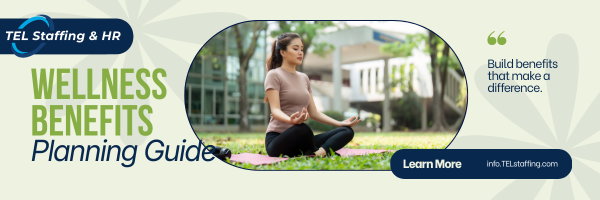
Download our Wellness Benefits Guide from TEL Staffing & HR to get practical tools, checklists, and insights designed to help you build a stronger, more engaged workforce.