
Mental Health in the Workplace: What Employers Can Do
Supporting Mental Health in the Workplace | Employer Guide
Mental health is no longer a secondary concern. It is a workplace priority.
Today’s employees are looking to their employers for more than just compensation. They want support, flexibility, and understanding, especially when it comes to mental well‑being. Organizations that acknowledge this shift and respond thoughtfully are better positioned to build engaged, resilient, and high‑performing teams.
Supporting mental health at work is not only compassionate. It is also strategic.
Why Mental Health Matters in the Workplace
Mental health has a direct and measurable impact on organizational outcomes, including:
- Productivity and quality of work
- Attendance and absenteeism
- Employee engagement and morale
- Retention and long‑term loyalty
When employees struggle in silence, performance often declines long before the issue becomes visible. Ignoring mental health challenges does not make them disappear. Instead, they often compound and create ripple effects that affect teams, managers, and the broader business.
Recognize the Signs Early
Employers and managers are not expected to diagnose mental health conditions, but awareness is critical.
Common signs that an employee may be struggling include:
- Persistent burnout or exhaustion
- Withdrawal from colleagues or disengagement from work
- Noticeable decreases in performance or focus
- Increased absenteeism or frequent last‑minute time off
Early recognition allows employers to respond with empathy and support rather than discipline or assumptions. The sooner support is offered, the better the outcome for both the employee and the organization.
Provide Meaningful Mental Health Resources
Awareness alone is not enough. Effective support requires action.
Organizations can demonstrate commitment to mental well‑being by offering resources such as:
- Employee Assistance Programs (EAPs)
- Designated mental health or wellness days
- Access to counseling or therapy services
- Health benefits that include mental health coverage
When resources are accessible, clearly communicated, and easy to use, employees are far more likely to take advantage of them. Meaningful support shows employees that mental health is treated with the same seriousness as physical health.
Normalize the Conversation Around Mental Health
A supportive mental health strategy starts with culture.
Organizations can help reduce stigma and encourage openness by:
- Promoting open dialogue about stress, burnout, and well‑being
- Encouraging leadership to share transparently and lead by example
- Reinforcing that seeking help is a strength, not a weakness
When mental health conversations are normalized, employees feel safer speaking up before challenges escalate. Psychological safety builds trust, and trust is essential to a healthy workplace.
Train and Support Managers
Managers play a pivotal role in employee well‑being. They are often the first to notice changes in behavior and performance, but many feel unprepared to respond.
Employers can support managers by providing:
- Training on recognizing burnout and stress signals
- Guidance on compassionate, effective communication
- Clear pathways and resources to direct employees to appropriate support
When managers are equipped with the right tools and knowledge, they can support their teams with confidence while maintaining appropriate boundaries.
Final Thought: Supporting Mental Health Is Smart Business
Investing in workplace mental health is not only the right thing to do. It is also a smart business decision.
Organizations that prioritize mental well‑being see stronger engagement, improved retention, and more sustainable performance. By creating a culture of awareness, support, and understanding, employers can build workplaces where both employees and businesses thrive.
Mental health support is not a trend. It is an essential part of the modern workplace.
Ready to build a workplace that supports both performance and well-being?
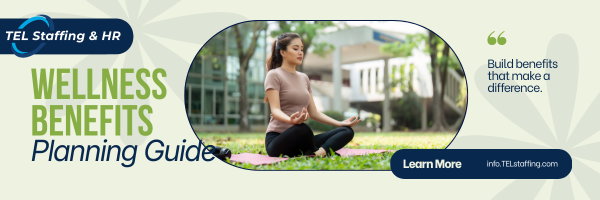
Download TEL Staffing & HR’s Wellness Benefits Guide to access tools and strategies for creating a healthier, more productive workforce.